Addiction Recovery in Kenya: The Complete Guide to Treatment, Rehab & Aftercare

Addiction affects individuals, families, and communities across Kenya. Yet despite growing awareness, many people still misunderstand what addiction truly is and how recovery works.
Some believe it is a lack of discipline. Others see it as a spiritual failure. Many families feel shame and hide the problem until it becomes severe.
But the truth is this:
Addiction is a treatable health condition — and structured addiction recovery in Kenya is possible.
This complete guide explains:
- What addiction really is
- How substance abuse develops
- When to seek professional help
- What rehab involves
- Why mental health matters
- Why aftercare determines long-term success
- What effective addiction recovery in Kenya should look like
If you are searching for clarity, answers, or support — this guide is for you.
What Is Addiction?
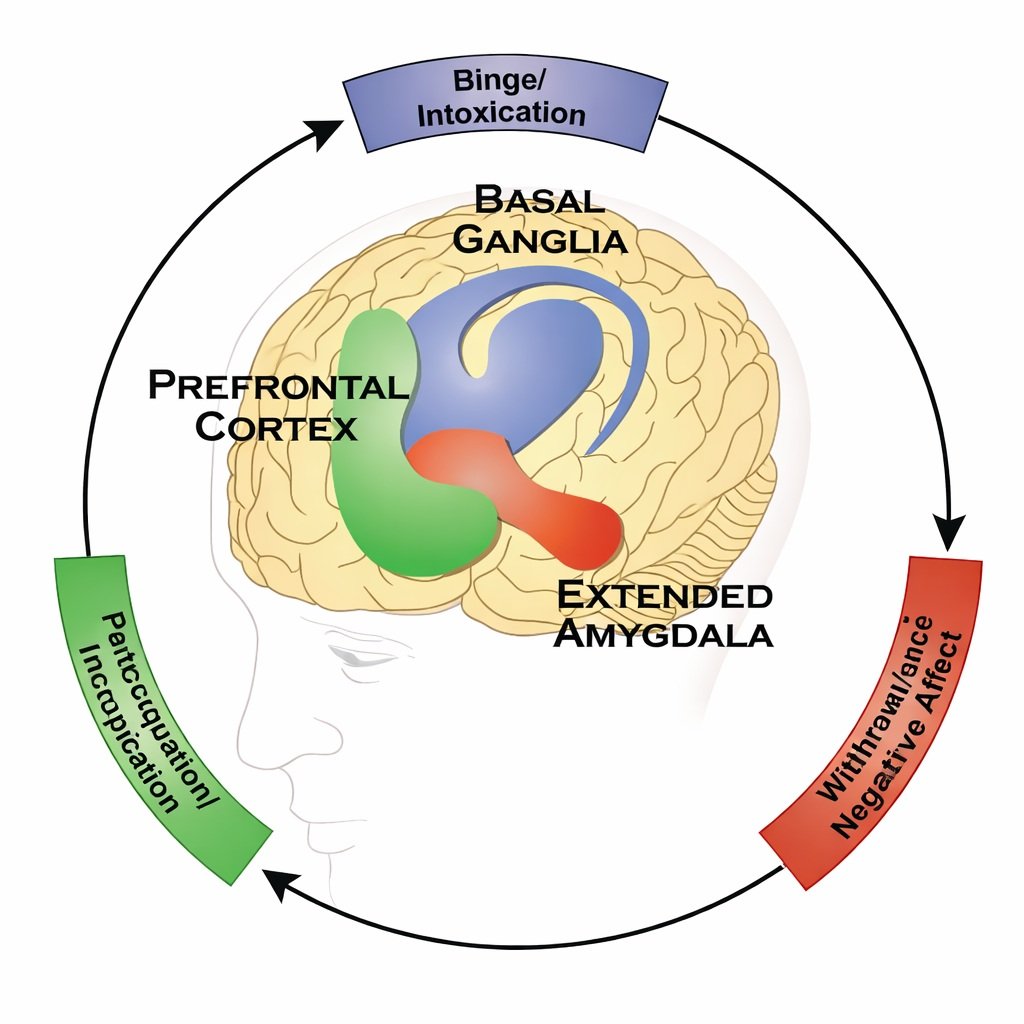
Addiction is a chronic, relapsing condition characterized by compulsive substance use despite harmful consequences.
It affects the brain’s reward system, decision-making ability, impulse control, and stress regulation.
Substances commonly involved in Kenya include:
- Alcohol
- Cannabis
- Prescription medications
- Opioids
- Cocaine
- Nicotine
- Synthetic drugs
Addiction is not simply “liking something too much.” It is a neurological adaptation.
When substances repeatedly stimulate dopamine release, the brain begins to associate the substance with survival and relief. Over time:
- Natural pleasures feel less satisfying
- Cravings intensify
- Tolerance increases
- Withdrawal symptoms develop
Understanding this is foundational to effective substance abuse treatment in Kenya.
Signs You or a Loved One May Need Help
Addiction rarely begins dramatically. It often develops gradually.
Behavioral Signs:
- Secretive behavior
- Neglecting responsibilities
- Financial problems
- Social withdrawal
- Increased conflict
Emotional Signs:
- Mood swings
- Irritability
- Anxiety
- Depression
- Loss of motivation
Physical Signs:
- Changes in sleep patterns
- Appetite changes
- Unexplained health issues
- Withdrawal symptoms
If substance use continues despite clear negative consequences, professional help may be necessary.
Early intervention improves outcomes in addiction recovery in Kenya.
Substance Abuse Treatment in Kenya: What Are the Options?

Addiction treatment is not one-size-fits-all. Effective care depends on severity, mental health status, and environmental factors.
1. Detoxification
Detox manages withdrawal symptoms safely. It is often the first step — but not the final solution.
Detox alone does not address behavioral patterns or emotional triggers.
2. Inpatient Rehabilitation
Inpatient rehab provides:
- Structured environment
- Daily therapy
- Medical monitoring
- Peer support
- Reduced exposure to triggers
This is beneficial for moderate to severe addiction.
3. Outpatient Programs
Outpatient treatment allows individuals to continue work or school while receiving therapy and monitoring.
4. Therapy-Based Treatment
Evidence-based therapies may include:
- Cognitive Behavioral Therapy (CBT)
- Motivational Interviewing
- Trauma-informed therapy
- Family therapy
The most effective rehab support in Kenya integrates multiple approaches.
Mental Health and Addiction: Why Dual Diagnosis Matters
Many individuals struggling with addiction also experience:
- Depression
- Anxiety
- Trauma
- Bipolar disorder
- Personality challenges
Substances are often used to cope with emotional pain.
If mental health is untreated, relapse risk increases significantly.
Integrated treatment — addressing both addiction and mental health — improves long-term outcomes.
Effective mental health and addiction treatment in Kenya must treat both simultaneously.
Life After Rehab in Kenya: The Most Critical Phase

Completing rehab is a major milestone. But discharge is not the end — it is the beginning.
The first 90 days after rehab are particularly vulnerable.
Common challenges include:
- Returning to high-risk environments
- Reconnecting with old peer groups
- Managing stress without substances
- Rebuilding trust in relationships
- Finding employment or structure
Without aftercare, relapse becomes more likely.
This is why structured aftercare programs in Kenya are essential.
What Is Aftercare in Addiction Recovery?
Aftercare refers to continued support following initial treatment.
It may include:
- Weekly therapy sessions
- Relapse prevention planning
- Accountability monitoring
- Family counseling
- Mental health check-ins
- Structured routines
- Lifestyle coaching
- Physical wellness support
Aftercare bridges the gap between rehab and independent living.
Long-term addiction help in Kenya must extend beyond detox and short-term rehab.
Why Relapse Happens — And How to Reduce Risk
Relapse is not simply a lack of effort. It often results from:
- Untreated mental health issues
- Emotional triggers
- Lack of structure
- Overconfidence
- Social pressure
- Environmental exposure
Relapse prevention strategies include:
- Identifying triggers
- Developing coping skills
- Building support networks
- Maintaining therapy
- Establishing routines
- Ongoing accountability
Recovery is strongest when it is structured.
The Role of Family in Addiction Recovery

Addiction affects entire families.
Families may experience:
- Emotional exhaustion
- Financial strain
- Anger and confusion
- Broken trust
Family involvement improves recovery outcomes when it includes:
- Education
- Healthy boundaries
- Supportive communication
- Participation in therapy
Structured family education strengthens addiction recovery in Kenya.
Building a Recovery Lifestyle
Recovery is not only about avoiding substances. It is about creating a healthier life.
Sustainable recovery includes:
- Physical exercise
- Consistent sleep
- Goal setting
- Career development
- Emotional regulation skills
- Supportive social networks
- Purpose-driven living
When individuals build meaningful lives, the appeal of substances decreases.
Why Structured Addiction Recovery Support Matters
Not all recovery approaches are equal.
Sustainable recovery requires:
- Comprehensive assessment
- Individualized treatment plans
- Mental health integration
- Accountability systems
- Family involvement
- Long-term aftercare
Structured programs improve stability, confidence, and independence.
Frequently Asked Questions About Addiction Recovery in Kenya
How long does addiction recovery take?
Recovery is ongoing. Initial treatment may last weeks or months, but long-term stability requires continued support.
Is relapse common?
Yes. Addiction is a chronic condition. Relapse can occur, but structured support reduces risk.
Can addiction be treated without rehab?
Mild cases may benefit from outpatient therapy. Moderate to severe cases often require structured rehab.
What is aftercare?
Aftercare is continued monitoring, therapy, and accountability following rehab.
When should someone seek professional help?
When substance use causes repeated harm, loss of control, or emotional distress.
Recovery Is Possible
Addiction can feel overwhelming. Families may feel helpless. Individuals may feel ashamed.
But recovery is achievable.
With the right support:
- Stability returns
- Relationships heal
- Confidence grows
- Purpose re-emerges
Effective addiction recovery in Kenya requires compassion, structure, and long-term commitment.
The journey may be challenging — but it is possible.
Ready to Begin Structured Addiction Recovery in Kenya?
If you or a loved one needs confidential support, structured accountability, and professional guidance, take the first step today.
✔ Private consultations
✔ Aftercare programs
✔ Mental health support
✔ Family guidance